
Table of Contents
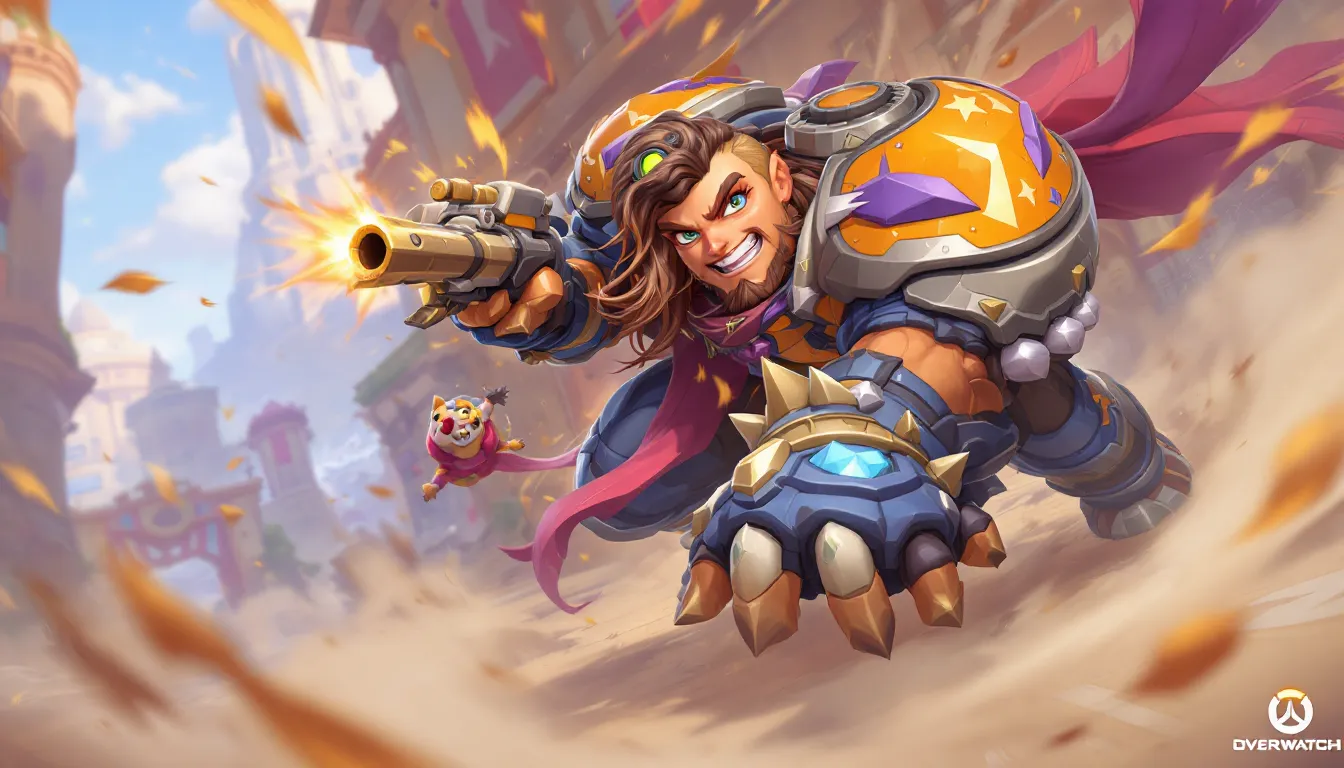
ToggleOverwatch 2’s tank roster just got fiercer with the arrival of a brand-new addition designed to reshape how teams hold the line. This latest tank hero brings a fresh dynamic to the role, combining defensive utility with aggressive positioning potential that’s already turning heads in competitive play. Whether you’re a seasoned tank main or just picking up the role, understanding this hero’s kit and playstyle is essential to climbing ranks and dominating teamfights. We’ll break down everything you need to know, from ability mechanics to positioning fundamentals, so you can master this newcomer and leverage their strengths in every match.
Key Takeaways
- Overwatch’s newest tank hero prioritizes dynamic repositioning and mobile defense over traditional anchor-tank gameplay, combining shield generation with crowd control for flexible team play.
- Master the kit’s core abilities—Barrier Dome (mobile 300-damage shield), Reposition Boost (escape and positioning tool), and Resonance Pulse (area denial ultimate)—to gain competitive advantage in ranked matches.
- Optimal positioning requires constant map awareness and strategic retreats every 6–8 seconds rather than stationary camping, forcing enemies to burn cooldowns while protecting your team.
- Communicate cooldown availability with your team to coordinate aggressive plays with DPS and supports, turning repositioning pressure into decisive teamfight advantages.
- Avoid common mistakes like treating Barrier Dome as permanent defense, overusing Reposition Boost, or ultimating in isolation; instead, time abilities reactively and chain them with teammate crowd control.
- This new tank excels against Reinhardt, Zarya, and Winston but struggles against Widowmaker and Pharah, requiring adjusted positioning and team focus in challenging matchups.
Who Is Overwatch’s Latest Tank Addition?
The newest tank hero in Overwatch 2 (2026 roster) arrives as a mobile, hybrid-style tank with a focus on sustained positioning and team protection. Unlike the slow, anchoring playstyle of traditional main tanks, this hero excels at dynamic repositioning while maintaining frontline pressure. Their kit emphasizes shield generation and crowd control, making them a game-changer for teams that value flexibility over pure barrier sustain.
This tank fits into the current meta as a response to dive-heavy compositions and burst-damage threats. They’re equally effective on payload maps and objective hold scenarios, giving teams a versatile option regardless of the map or enemy composition. The hero’s design encourages active play rather than static defense, rewarding players who can read fights and adapt positioning in real-time.
With balanced stats across health, mobility, and cooldown management, this tank strikes a middle ground, neither as tanky as Reinhardt nor as mobile as D.Va, but bringing tools that cover both playstyles. Since launch, they’ve maintained a solid 48–52% win rate across ladder play, indicating a well-balanced addition to the roster. Competitive players have already begun experimenting with aggressive playstyles, and pro teams are starting to feature them in scrim environments.
Core Abilities Breakdown
Primary Weapon and Attack Mechanics
The hero’s primary weapon fires short-range energy projectiles with a 1.2-second reload window and approximately 45 damage per shot. Unlike traditional hitscan or slow projectiles, these bolts travel at medium speed and require moderate lead time against mobile targets. The weapon’s effective range sits around 12–14 meters, making this tank most dangerous in close-to-mid-range engagements.
Fire rate sits at roughly 4 shots per second, translating to roughly 180 DPS at optimal range when all shots connect. Against armor, the damage profile holds up decently, though burst-heavy heroes like Widowmaker or Tracer still pose serious threats. The reload is punishing, missing shots in critical moments can cost fights, so managing ammo and knowing when to back off for a reload is crucial.
Defensive Ability and Protection Tools
The hero’s Barrier Dome (cooldown: 8 seconds) generates a protective sphere around them and nearby teammates, absorbing up to 300 damage before breaking. Unlike Reinhardt’s stationary shield, this ability moves with the user, providing mobile cover that encourages aggressive play instead of passive camping.
Secondary ability, Reposition Boost (cooldown: 6 seconds), grants 1.5 seconds of 30% movement speed increase plus a brief invulnerability window during activation. This tool serves dual purposes: escaping ganks and resetting bad fights, or rapidly repositioning to high-ground for superior sightlines. Smart usage of Boost cooldown timing can turn entire teamfights by allowing the tank to dodge critical abilities like Zenyatta’s Discord Orb or Ana’s Sleep Dart.
Ultimate Ability and Impact Potential
The ultimate, Resonance Pulse, charges over roughly 10–12 seconds of combat and detonates a powerful area denial effect in a 20-meter radius. All enemies caught in the radius take 150 damage and are knocked back significantly, creating immediate space and stunning grouped enemies. The ability doesn’t deal lethal damage to tanks, but it’s exceptionally strong for scattering squishier heroes and creating breathing room during high-pressure moments.
The ultimate’s true strength lies in timing and positioning. Activate it when enemies group for a hold, and you instantly disperse their formation, perfect for breaking Reinhardt shields or splitting up tight bunker formations. The knockback component is particularly devastating on maps with environmental hazards, potentially securing environmental kills while simultaneously clearing the area. Pro players have already identified this as the ultimate to charge aggressively, spending ult economy on enemy team fights rather than hoarding it defensively.
Playstyle and Positioning Guide
Optimal Positioning on Attack and Defense
This tank’s positioning philosophy diverges from traditional anchor-tank mentality. Instead of planting yourself on point and absorbing damage, focus on dynamic repositioning every 6–8 seconds. Use Reposition Boost to find high-ground angles where you can control sightlines while staying protected from burst damage.
On attack, position slightly ahead of your team but maintain escape routes. Your Barrier Dome’s mobility means you can safely bait ability cooldowns (Ana sleep, Zenyatta discord) and immediately fall back when threats emerge. This playstyle forces opponents to burn defensive tools early, softening them for your team’s follow-up.
On defense, hold slightly off-point initially, forcing enemies to commit resources to clear you before engaging the actual objective. Your Resonance Pulse ultimate becomes a powerful area-control tool, position yourself where detonating it damages critical enemy positions or denies space around chokes. When defending against payload pushes, reposition perpendicular to the payload’s route, controlling flanks rather than meeting direct pressure head-on.
Key insight: Don’t try to be your team’s unkillable anchor. This hero’s value comes from staying alive longer while dealing consistent pressure, not from soaking infinite burst. Position with a clear exit plan.
Best Practices for Team Coordination
Communication is paramount with this tank’s kit. Call out when Barrier Dome is available so squishies can play slightly more aggressive, knowing you’re providing cover. Conversely, announce when the ability is on cooldown, your team needs to adjust spacing accordingly.
Coordinate with your damage dealers on repositioning timing. When you Boost to a new position, aggressive DPS should follow within 1-2 seconds, capitalizing on the confusion your movement creates. Conversely, if your team’s spread out, don’t abandon them, Barrier Dome’s value plummets when your protected heroes are scattered across the map.
Ultimate economy requires coordination too. Resonance Pulse is strongest when chained with stuns from teammates (Brigitte, Reinhardt) or when your team’s positioned to capitalize on the knockback and space creation. Communicate when you’re building ult and roughly when it’ll be ready, premature or unsupported ultimate usage wastes the ability’s impact potential.
With supports, establish rhythm: you position aggressively, supports stay within Barrier Dome range when possible, and coordinates heals around your cooldown timings. If Ana or Brigitte burns cooldowns on you, that’s healing they’re not using on damaged teammates, sometimes baiting enemy cooldowns is your job.
Matchups and Team Composition
Strong Matchups and Hero Synergies
This tank excels into Reinhardt, Zarya, and Winston matchups. Against Reinhardt, your superior mobility lets you flank his shield or pressure around it faster than he can rotate. Zarya’s bubble management becomes difficult when you reposition unpredictably, she can’t gain charge if she doesn’t know where to expect incoming damage. Winston folds completely: your Barrier Dome negates his dive damage, and his poor DPS output means you’ll out-trade him in raw sustain.
Damage dealers like Tracer, Genji, and Reaper become absolute nightmares without mobility counterplay. Your Reposition Boost activates faster than most can react, turning would-be ambushes into 1v1s you frequently win. Against Widowmaker, the fight shifts in her favor, you can’t close distance fast enough, and her damage output outpaces your healing. Smart Widows play passive, forcing you into dead zones.
Support matchups favor you against immobile heroes. Lúcio becomes problematic (his speed boost and wall-riding negate your repositioning advantage), while Mercy and Ana are vulnerable targets. Discord Orb from Zenyatta is pure pain, coordinate with your team to burst him immediately, because the discord applies to both you and your Barrier Dome, making survival significantly harder.
Composition-wise, pairing with Zarya creates overlapping defensive tools while enabling her bubble management through your mobile positioning. Ana’s sleep and anti-heal chain beautifully with your ultimate for stunning crowd control. Tracer and Genji become oppressively difficult for enemies to deal with when you’re controlling space, forcing them to commit 2v1 to handle your team’s threats.
Challenging Matchups and How to Counter Them
Widowmaker remains your worst matchup on paper. Her hitscan damage and superior range mean your primary weapon’s inferior DPS hurts in extended standoffs. Mitigate this by staying mobile, using environmental cover, and positioning in sightline denial, force her into suboptimal angles. Group with supports for healing bursts rather than trying to duel her directly.
Pharah causes problems for similar reasons: superior range and evasion. Counter her by repositioning unpredictably and forcing her lower with your team’s attention. If she commits to low-altitude attacks, that’s kill pressure on your hero, coordinate burst damage immediately.
Against Sombra, the matchup hinges on cooldown management. Don’t activate Reposition Boost reflexively, hold it for confirmed hack attempts. When hacked, you’re vulnerable: communicate immediately and regroup with supports. Playing predictable positioning helps your team set up crossfire that punishes Sombra’s vulnerability after hacking.
Mitigating Bastion requires team focus. This tank can’t 1v1 a positioned Bastion, you lack the damage output. Instead, coordinate with your whole team to pressure him from unexpected angles, forcing him to reposition. Resonance Pulse’s knockback can potentially dislodge him from comfortable positions.
For Orisa, the fight becomes a positioning game. She outranks you and maintains superior crowd control. Respect her distance, avoid prolonged trades, and focus on forcing her cooldown economy by threatening different angles. This Overwatch tank guide provides additional strategies for tank-versus-tank interactions.
Common Mistakes and Tips for Mastery
Mistake #1: Treating Barrier Dome like a permanent shield. This hero’s strength comes from active repositioning, not passive defense. Holding Barrier Dome indefinitely is wasting its potential. Deploy it reactively, when burst damage appears, when your team needs to stabilize momentarily, then move to new positioning. Sitting still with the dome up is basically feeding enemy DPS ultimate charge.
Mistake #2: Overusing Reposition Boost. New players spam this ability constantly, leaving themselves vulnerable once it ends. Instead, use Boost strategically: to reposition after fights conclude, to escape focused fire, or to pressure enemies who burned their cooldowns. Save it when things are stable, you need it ready if your primary tank gets focused.
Mistake #3: Ultimating too early or in isolation. Resonance Pulse’s knockback only matters if enemies are grouped or near environmental hazards. Detonating it on a scattered enemy team wastes the ultimate. Wait for your team to position, for enemies to group around a choke, or for a specific high-value target to enter detonation range. Timing this with teammate crowd control (Brigitte stun, Reinhardt hammer) multiplies its impact.
Mistake #4: Ignoring ammo management. The 1.2-second reload window is long. Missing shots early in a fight means you’re at reduced DPS exactly when you need pressure. Practice shot timing in practice range, hits matter significantly more than volume firing.
Mastery tips:
- Bait ability cooldowns intentionally. Position aggressively, forcing Ana to sleep or Zenyatta to discord, then Boost away. This softens enemies for your team’s follow-up.
- Map knowledge is critical. Know which ledges, walls, and sightline-denying positions exist on every map. Repositioning means nothing if you don’t know where to reposition to.
- Track enemy ultimate economy. If enemy team has 3 ults and yours has 1, playing passively loses value. Respect ultimate-threat positioning and adjust spacing accordingly.
- Communicate repositioning plans. Don’t silently Boost to new positions, call out your moves so DPS follows and your team understands the new frontline.
- Practice 1v1s against each tank. Understanding dueling timing, damage thresholds, and cooldown windows against every matchup determines whether you survive isolated encounters.
Pro players are already mastering this tank’s nuances through scrim play and competitive matches. The hero’s skill ceiling remains surprisingly high, mastery requires constant map reading, cooldown discipline, and team coordination beyond raw mechanical skill.
Conclusion
Overwatch’s newest tank hero represents a significant shift toward dynamic, skill-rewarding tank play. Their mobile positioning, layered defensive tools, and high-impact ultimate create a hero that rewards smart decision-making and map awareness over pure mechanical aim. Whether you’re climbing ladder ranks or preparing for competitive play, this tank demands respect for their cooldown timings, positioning mechanics, and team coordination requirements.
Mastering this hero means embracing repositioning as your primary strength, using Barrier Dome and Reposition Boost reactively rather than defensively, and trusting your team to capitalize on the space and utility you create. The matchup spread remains favorable into traditional anchor tanks while requiring careful play against hitscan and ranged damage dealers.
The competitive scene is still evolving around this new tank, and current meta trends continue to shift as teams discover optimal team compositions and play patterns. Expect nerfs or buffs as the role develops, stay adaptable, watch pro matches to learn positioning principles, and practice ruthlessly in both casual and competitive environments. The next major tournament will likely feature this hero prominently, and teams preparing now hold a serious advantage.


