
Table of Contents
ToggleOverwatch PMVs, player-made videos that capture epic moments, narratives, and artistry within Blizzard’s hero shooter, have become a cornerstone of the game’s creative community. Whether you’re watching a jaw-dropping highlight montage or a cinematically crafted lore exploration, these videos showcase talent that often rivals professional production. For gamers who love the franchise, PMVs offer fresh perspectives on characters, mechanics, and storytelling that official trailers sometimes miss. This guide covers everything you need to know about discovering, creating, and understanding Overwatch PMVs in 2026, from where to find the best content to how to build your own from scratch.
Key Takeaways
- Overwatch PMVs are fan-created videos showcasing gameplay highlights, cinematic narratives, and character storytelling that often rival professional production quality and keep the creative community engaged during content gaps.
- Finding quality Overwatch PMVs starts with YouTube searches, Reddit communities like r/Overwatch, and Discord servers dedicated to content creation, where you can identify trending work by audio sync quality, editing flow, and color grading standards.
- Creating your own PMV requires free or affordable software like OBS Studio, DaVinci Resolve, and Audacity; the real investment is planning your concept, selecting music, and syncing gameplay to beats with consistent color grading.
- Music licensing is critical—use royalty-free platforms like Epidemic Sound, Creative Commons tracks, or properly licensed music to avoid DMCA claims that block monetization; fair use rarely protects PMV creators who use copyrighted tracks without commentary.
- The PMV space is evolving toward longer-form cinematic content (10-20 minutes), animation hybrids, and narrative-driven videos that explore character lore, offering sustained growth opportunities for creators who master storytelling and editing proficiency.
- Consistency, community engagement, and strategic release timing around seasonal Overwatch updates help creators build audiences and monetization opportunities through YouTube partnerships, sponsorships, and Patreon support.
What Is an Overwatch PMV?
An Overwatch PMV is a video created by community members using gameplay footage, cinematics, or custom editing to tell a story, showcase skill, or celebrate characters and moments from the game. Unlike official Overwatch content produced by Blizzard, PMVs are entirely fan-driven projects that range from simple highlight reels to elaborate narrative films.
PMVs serve multiple purposes within the community. Some focus on raw mechanical skill, frame-perfect plays, 1v5 clutches, or perfect team fights edited to music. Others jump into character-driven storytelling, exploring the lore of heroes like Tracer, Genji, or Widowmaker through cinematic sequences and emotional beats. Then there are experimental PMVs that push creative boundaries, blending multiple art styles or even incorporating fan art and animation alongside gameplay footage.
The appeal is straightforward: PMVs give creators a platform to express themselves within a universe they love, while viewers get entertainment that’s personal, passionate, and often more experimental than mainstream gaming content.
The Difference Between PMVs and Official Content
Official Overwatch content, trailers, cinematics, and clips from Blizzard’s channels, comes with massive budgets, professional voice acting, and story beats carefully aligned with the game’s narrative roadmap. These serve marketing and lore purposes, staying canon to the Overwatch universe.
PMVs, by contrast, operate in fan-space. A creator might interpret a character’s story differently, remix canon with headcanon, or focus entirely on gameplay artistry. This creative freedom is what makes PMVs special. They’re not constrained by commercial goals or strict narrative continuity, they’re pure expression.
That said, many PMV creators treat their work with the same technical rigor as professional content. High-end editing, color grading, sound design, and pacing can rival or exceed official clips. The key difference isn’t quality: it’s intent. PMVs exist to celebrate fandom, not to promote the game (though they often do that anyway).
Why Overwatch PMVs Matter to the Community
PMVs are the lifeblood of Overwatch’s creative community. They keep the fandom engaged during content droughts, celebrate characters that players connect with, and provide a space for creators to build audiences and develop their craft.
For competitive players, PMVs document the evolution of gameplay and meta shifts. A montage from 2024 might showcase Widowmaker one-taps that are no longer viable post-patch, making PMVs historical artifacts of how the game has changed. For casual players and lore enthusiasts, PMVs fill gaps in storytelling that Overwatch 2’s live service model doesn’t always satisfy.
Creators benefit enormously. Many PMV artists have gone on to work in animation, game development, and professional esports production. The skills required, video editing, color grading, audio mixing, narrative pacing, translate directly to industry-standard roles. PMVs are portfolios that prove capability.
Building a Thriving Creative Ecosystem
The Overwatch PMV community thrives because platforms and creator tools keep improving. YouTube’s algorithm rewards editing quality and viewer retention, incentivizing creators to produce longer, more polished content. Discord servers and subreddits dedicated to PMVs foster collaboration, feedback loops, and mutual promotion among creators at all skill levels.
Events matter too. Community voting for “best PMV of the year,” creator showcases at esports events, and collaboration challenges keep the ecosystem vibrant. When major creators like content houses and esports teams highlight PMVs, it raises visibility for the entire space.
Blizzard’s relationship with fan creators has evolved positively. While they enforce IP protection through copyright claims (which we’ll cover), they also spotlight exceptional fan work and occasionally integrate fan-created assets into official content. This mutual respect ensures PMV creators feel valued, even when monetization gets complicated.
How to Find High-Quality Overwatch PMVs
Finding standout PMVs requires knowing where the community congregates and which creators consistently deliver quality work.
Best Platforms and Communities
YouTube remains the primary hub for Overwatch PMVs. Search for specific tags like “Overwatch montage,” “Overwatch cinematic,” or the name of a character you care about. Creators like FunnyAstro, KarQ, and lesser-known independent editors regularly drop high-quality content. Subscribe to channels that appeal to your taste, the algorithm will surface similar creators over time.
Reddit hosts dedicated communities. Subreddits like r/Overwatch and r/OverwatchUniversity frequently feature PMV posts, and users upvote quality content to the top. Sort by “top posts of the month” to catch trending PMVs you might have missed. Community feedback on Reddit is also honest: if a PMV has lazy editing or poor audio sync, comments will say so.
Twitter/X is where creators drop quick announcements of new uploads. Following PMV hashtags like #OverwatchPMV or #OverwatchMontage keeps you updated on releases from creators you enjoy.
Discord servers focused on Overwatch content creation often have dedicated channels for sharing PMVs. Joining these communities puts you in contact with creators directly and gives you early access to new work.
TikTok hosts bite-sized Overwatch clips, but for full PMVs, longer-form platforms dominate.
Identifying Trending and Recommended PMVs
Not all PMVs are created equal. Watch for these quality indicators:
- Audio sync: The gameplay should match the beat or emotional timing of the music precisely. Lazy sync is immediately noticeable and kills immersion.
- Editing flow: Cuts should feel purposeful, not random. Scene transitions should build momentum or tell a story.
- Color grading: Professional PMVs use consistent color palettes and lighting to create mood. Flat, ungraded footage screams amateur.
- Sound design: Layered audio with in-game sounds, music, and sometimes voiceovers or ambient tracks separates standout PMVs from basic compilations.
- View count and comments: PMVs with 100k+ views and thoughtful comments from other creators usually indicate quality. Sort YouTube searches by “most viewed” as a quick filter.
Trending PMVs often go viral when they feature exceptional plays (especially at professional level, like from Overwatch League matches), innovative editing techniques, or emotional storytelling that resonates across the fanbase. A PMV that breaks new technical ground or captures a character’s essence in a fresh way will spread quickly through community channels.
Creating Your Own Overwatch PMV: A Beginner’s Guide
Ready to make your own PMV? The barrier to entry is lower than ever, but the ceiling for quality is high. Here’s what you need to know.
Essential Tools and Software
You’ll need:
- Gameplay recording software: OBS Studio (free, open-source) or Shadowplay (NVIDIA GPUs) to capture your footage. Many competitive players already have this installed. Record at 1080p 60fps minimum: 4K is better if your hardware supports it.
- Video editing software:
- DaVinci Resolve (free version is robust) for color grading and editing.
- Adobe Premiere Pro ($20/month) for professional-grade timeline editing and effects.
- CapCut (free, mobile-friendly) for quick, simple edits.
- Vegas Pro for Windows-focused creators.
- Audio editing: Audacity (free) to sync and layer sound.
- Graphics/animation: Adobe After Effects or free alternatives like Blender if you want custom overlays or text effects.
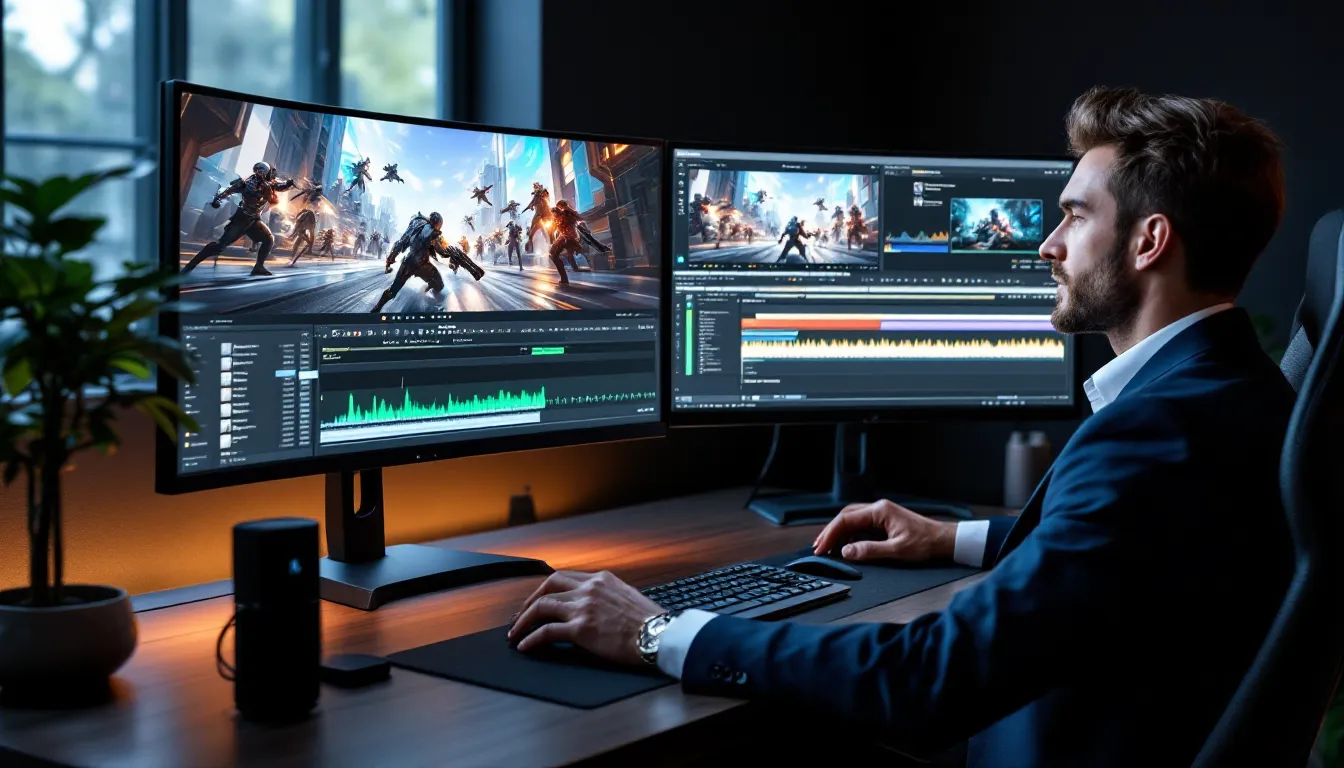
Budget-conscious creators can absolutely ship quality PMVs with OBS + DaVinci Resolve + Audacity, all free. The limiting factor isn’t software cost: it’s skill and time investment.
Planning Your Video Concept and Story
Before you hit record, know what you’re making.
Concept clarity: Are you creating a highlight montage of your best plays? A cinematic exploration of a character’s story? A skill showcase for a specific hero? A narrative about a team fight? Lock this down first.
Music selection: Pick your track early. The music dictates pacing, emotional tone, and where your cuts and transitions land. Build your edit around the music, not the other way around.
Storyboarding: Even a rough sketch helps. Jot down which plays, scenes, or story beats happen at which timestamps. If you’re doing narrative work, outline the beginning, middle, and end. A PMV that meanders loses viewers fast.
Target length: YouTube’s algorithm favors videos 8-15 minutes for watch time, but exceptional PMVs can be shorter. Know your audience, competitive montages under 5 minutes perform well: cinematic pieces often run 10+ minutes and still hold attention if paced well.
Recording, Editing, and Syncing Gameplay
Once you have a plan:
Record raw footage: Capture more gameplay than you’ll use, aim for 2-3x the final video length. This gives you flexibility in editing and room for mistakes.
Organize files: Create folders by match, hero, or date. Label clips clearly (“Winston_1v5_King’s Row” instead of “Clip5”). You’ll thank yourself during the editing grind.
Sync to music: This is where PMVs live or die. Load your music into your editor and begin placing clips on the timeline to match beats, drops, or emotional crescendos. A perfectly synced play-to-drop is chef’s kiss.
Color grade consistently: Apply the same LUT (lookup table) or color adjustments across all footage so it feels cohesive. Mismatched colors make your PMV look disjointed.
Layer audio: Start with music, then add in-game sound (ability sounds, footsteps, environmental noise) at lower volume to add texture. Voiceovers or dialogue from the game universe can add depth.
Transition polish: Avoid generic fade-to-blacks. Use smash cuts, motion blur transitions, or creative wipes that sync to music. These small details separate polished PMVs from mediocre ones.
Export and upload: Export at 1080p 60fps minimum for YouTube. Use H.264 codec for compatibility. Assume YouTube’s compression will eat some detail, so slightly oversaturate color and ensure text is large enough to read post-compression.
Music Selection and Copyright Considerations
Music makes or breaks a PMV. The right track elevates gameplay footage into art: the wrong one tanks engagement. But music also introduces copyright complexity.
Finding Royalty-Free and Licensed Tracks
Royalty-free music libraries: Platforms like How-To Geek offer tutorials on sourcing music, and services like Epidemic Sound ($10-15/month) and Artlist provide copyright-cleared tracks designed for creators. These are reliable but sometimes generic.
Creative Commons: Platforms like Free Music Archive and ccMixter host tracks licensed for free use with attribution. Many are quality indie beats that’ll feel fresher than stock music.
Licensable tracks: Bridgeport Music, AudioJungle, and similar marketplaces let you license specific songs for a one-time fee ($5-50 depending on scope). You own the right to use that track in your PMV without copyright strikes.
Game soundtracks: Original Overwatch music, composed by Lennie Moore and others, is sometimes available for licensing. Using official Overwatch music connects your PMV to the game’s identity, though you’ll still need proper licensing if monetizing.
Contact artists directly: Smaller musicians often grant permission for fan videos, especially if you credit them prominently. DM indie artists on SoundCloud or Twitter, many are thrilled to see their work in PMVs.
Understanding Fair Use and DMCA Guidelines
This is where many creators stumble. Fair use protects commentary, criticism, and transformative work, but it’s not a blanket free pass to use any music.
Fair use has four tests: purpose (is it transformative?), nature (is it criticism or commentary?), amount used (how much of the work is used?), and effect on the original market (does your use harm the artist’s revenue?). A PMV that uses 30 seconds of a copyrighted song in a gameplay montage with zero commentary usually fails the fair use test.
DMCA reality check: YouTube’s Content ID system automatically flags copyrighted music and either mutes it, claims your video (giving revenue to the copyright holder), or blocks it outright. If you’re not monetizing, a claim isn’t a death sentence, your video stays live, but you get no ad revenue. If you’re trying to build a creator revenue stream, claims drain your earnings.
Best practice: Use royalty-free or properly licensed music. It costs nothing to free or a small fee, eliminates strikes, and lets you monetize your work without sharing revenue. The minor trade-off of sometimes using less “trendy” music is worth the legal peace of mind.
If you do use copyrighted music without a license, be transparent: upload the video unlisted or private, or clearly state in the description that you’re aware of a copyright claim and are crediting the artist. Blizzard occasionally enforces copyright on their own music in fan videos, so even official Overwatch tracks can trigger claims if not licensed.
Showcasing Your PMV: Distribution and Promotion
You’ve finished your PMV. Now what?
Upload strategy: Release on YouTube first, it’s the primary platform and has the best algorithm for gaming content. Add a detailed description with timestamps, credits to players featured (if applicable), music attribution, and software used. This transparency builds credibility.
Title and tags: Use clear, searchable titles. “Genji 1v5 Clutch Montage | Overwatch 2” performs better than “INSANE PLAYS,” and benefits Overwatch Pro League fans searching for competitive clips.
Thumbnails matter: Design a custom thumbnail with bold text, a hero’s face, or your best play. YouTube’s algorithm factors thumbnail click-through rate into recommendations. A generic or blurry thumbnail tanks visibility.
Community cross-posting: Share your PMV on Reddit (r/Overwatch), Twitter, and Discord servers where Overwatch content is encouraged. Don’t spam: post once per platform and let the quality speak for itself.
Timing: Upload during peak gaming hours (evenings/weekends in your timezone). Monday-Thursday often see better retention than weekend saturation.
Engage with feedback: Respond to comments, thank people who clip and share your work, and note constructive criticism for your next project. The creator community values interaction.
Consistency: If you want to build an audience, commit to a release schedule. Even one PMV per month beats one-offs. Subscribers need to know when to expect your next drop.
Popular PMV Styles and Trends in Overwatch
Different PMV subgenres appeal to different audiences. Understanding these helps you find content you love and informs what you create.
Cinematic Montages and Highlight Reels
These are the most common PMV format: fast-paced compilations of standout plays synced to hard-hitting music. Think epic McCree headshots, Pharah-Mercy team kills, or Tracer blinks through enemy lines, all cut to the drop of a dubstep track or orchestral swell.
What makes them work: Perfect audio sync, logical progression (warm-up plays → mid-tier highlights → absolute carry moments), and pacing that never lets momentum die. The best montages use color grading to make plays feel even more cinematic than the raw footage.
Trend shift: Purely mechanical montages are still popular, but viewers increasingly favor montages with context. A clip of a Widow headshot hits harder if you know it won the map or clutched a losing fight. PMVs that tell micro-stories within the montage format, setups before payoff, outperform random killstreak compilations.
Narrative-Driven and Lore-Based PMVs
These use gameplay, official cinematics, custom artwork, and creative editing to explore character stories or themes. A lore-based PMV about Tracer’s time jumps might blend in-game footage, the “Recall” cinematic, and fan art to create a cohesive meditation on her character.
These PMVs lean cinematic. They prioritize mood, color grading, and pacing over frenetic cuts. A well-executed lore PMV can be 12+ minutes because viewers are invested in the narrative, not just flashy plays. The Overwatch Community Spotlight frequently features these because they showcase the game’s universe beyond mechanics.
Trend: With Overwatch 2’s live service model leaving some lore gaps, fan creators are filling them with speculative fiction and character deep-dives. PMVs exploring “What if this character reunited with that character?” or reinterpreting an ambiguous story moment resonate deeply. These often trend on Reddit because they spark discussion.
Skill Showcases and Competitive Compilations
These focus on a single player’s best plays across multiple matches, often featuring pro players or streamers. A “Haksal Tracer Compilation” might gather his flashiest picks from OWL matches or ranked play.
Competitive PMVs require less creative interpretation, the plays speak for themselves. But the best ones still elevate the footage through editing, color grading, and music choice. A perfectly synced Tracer blink clip to a specific music beat feels more impressive than the same play unedited.
Trend: Competitive PMVs benefit from patch cycles. When a hero gets buffed or nerfed, PMVs showcasing their old strength become historical artifacts. Conversely, PMVs demonstrating how players adapted to a nerf are celebrated as historical records of meta evolution. Some creators focus entirely on “heroes through the patches,” documenting how each character’s playstyle has shifted since launch.
The Future of Overwatch PMVs and Creator Opportunities
The PMV space is evolving. Several trends suggest where creators should focus energy.
Longer-form cinematic content: Audiences increasingly favor 10-20 minute narrative PMVs over 3-minute montages. This aligns with Overwatch’s robust lore and character depth. Creators investing in storytelling craft will find sustained growth.
AI and animation hybrid: Some creators are experimenting with AI-generated voiceovers for lore PMVs or animation tools to supplement gameplay footage. Ethical concerns exist (always credit AI tools used), but PMVs that seamlessly blend gameplay and animation are emerging as the next tier of sophistication. Tools like The Loadout discuss gaming tech advancements that often relate to creator tools.
Creator monetization: YouTube’s Partner Program remains the primary monetization path, but Patreon, sponsorships, and merch partnerships are becoming viable for mid-size creators (10k+ subscribers). Blizzard occasionally partners with larger PMV creators for events, opening paid opportunities.
Crossover and collaboration: PMVs that combine Overwatch with other games (a Valorant-inspired Overwatch edit, for example) or collaborate with non-gaming creators (musicians, visual artists) are gaining traction. The future likely favors creators who build bridges between communities.
Overwatch 2 seasonal content: Each new season brings new heroes, skins, and story beats that inspire fresh PMV concepts. Creators who can turn around high-quality PMVs quickly around season launches will catch algorithm momentum. Overwatch Deathmatch mode and other gameplay shifts also inspire new editing angles and highlight compilations.
For aspiring creators, the message is clear: invest in storytelling, learn professional editing software, and build a consistent release schedule. The technical bar is higher than ever, but so is the opportunity for creators who deliver quality.
Conclusion
Overwatch PMVs are far more than fan edits, they’re the lifeblood of a creative community that keeps the game’s universe alive between official content drops. Whether you’re discovering PMVs for the first time or stepping into creation yourself, the community welcomes contributors at every skill level.
Finding quality PMVs starts with knowing where to look: YouTube channels, Reddit communities, and Discord servers where creators gather. Creating your own requires investment in software and time, but entry costs are lower than ever. The real challenge is developing the storytelling and editing skills to make your work stand out.
Music licensing, copyright awareness, and distribution strategy matter, they’re the difference between a PMV that thrives and one that gets claimed or ignored. Plan ahead, use royalty-free tracks when possible, and engage authentically with the community.
Looking forward, PMV creators who embrace longer-form narrative content, experiment with hybrid media (animation, AI tools, cinematic depth), and stay responsive to seasonal Overwatch updates will find sustained growth. The space isn’t saturated: it’s evolving. Your voice as a creator matters, audiences crave fresh takes on characters and stories they love.
Start by watching great PMVs, absorbing what makes them work, and then build your own. The Overwatch creative community is waiting.


